BLOG POST!

The MERN stack stands as a go-to choice for developers seeking to build modern, scalable web applications. Its synergy of MongoDB, Express.js, React.js, and Node.js offers a robust and efficient development environment, adapting to the demands of today's digital landscape.

Course →
Blog Post Image

All You Need To Know About MERN Stack

Title: Unveiling the Power of MERN Stack: A Comprehensive Guide

  1. Introduction:
  2. In the dynamic world of web development, staying ahead of the curve is crucial. One technology stack that has gained immense popularity in recent years is the MERN stack. MERN, an acronym for MongoDB, Express.js, React.js, and Node.js, is a full-stack JavaScript framework that empowers developers to build robust and scalable web applications. In this blog post, we'll delve into the components of the MERN stack and explore how they seamlessly work together to create a powerful development environment.

  3. MongoDB: The NoSQL Database
  4. At the heart of the MERN stack lies MongoDB, a NoSQL database that stores data in a flexible, JSON-like format called BSON. MongoDB's document-oriented structure allows for easy scalability and handling of large amounts of data. The flexibility it provides makes it an ideal choice for modern web applications with constantly evolving data requirements.

  5. Express.js: The Back-End Framework
  6. Express.js is a minimalist web application framework for Node.js. It simplifies the process of building robust and scalable server-side applications. Express.js handles routing, middleware, and other back-end functionalities, providing a solid foundation for building RESTful APIs that seamlessly communicate with the front-end.

  7. React.js: The Front-End Library
  8. React.js, developed by Facebook, is a declarative and efficient JavaScript library for building user interfaces. It enables developers to create reusable UI components, making the front-end development process more modular and maintainable. React's virtual DOM ensures optimal performance by updating only the necessary components, resulting in a smooth and responsive user experience.

  9. Node.js: The Server-Side JavaScript Runtime
  10. Node.js is a server-side JavaScript runtime that executes JavaScript code outside of a web browser. With Node.js, developers can build scalable and high-performance server-side applications. It's the glue that ties the entire MERN stack together, allowing for seamless communication between the front-end and back-end components.

  11. Benefits of MERN Stack:
  12. a. Single Language: MERN stack uses JavaScript for both front-end and back-end development, streamlining the development process and reducing the need to switch between different languages. b. Reusability: React's component-based architecture promotes code reusability, making it easier to maintain and update applications. c. Scalability: MongoDB's NoSQL database and Node.js's non-blocking I/O architecture contribute to the scalability of MERN stack applications, allowing them to handle increasing loads without compromising performance. Real-World Applications: a. Social Media Platforms: MERN stack is often chosen for building social media platforms due to its ability to handle real-time updates and interactions. b. E-commerce Websites: The modular nature of React.js makes it suitable for building feature-rich and interactive e-commerce websites. c. Data-Driven Dashboards: MongoDB's flexibility and scalability make it an excellent choice for developing data-driven dashboards that require handling large datasets.

  13. Conclusion:
  14. The MERN stack has become a go-to choice for developers aiming to create modern and scalable web applications. Its combination of MongoDB, Express.js, React.js, and Node.js offers a comprehensive and efficient development environment. As technology continues to evolve, the MERN stack remains a powerful tool in the arsenal of web developers, enabling them to build cutting-edge applications that meet the demands of today's digital landscape.

Course →
Blog Post Image

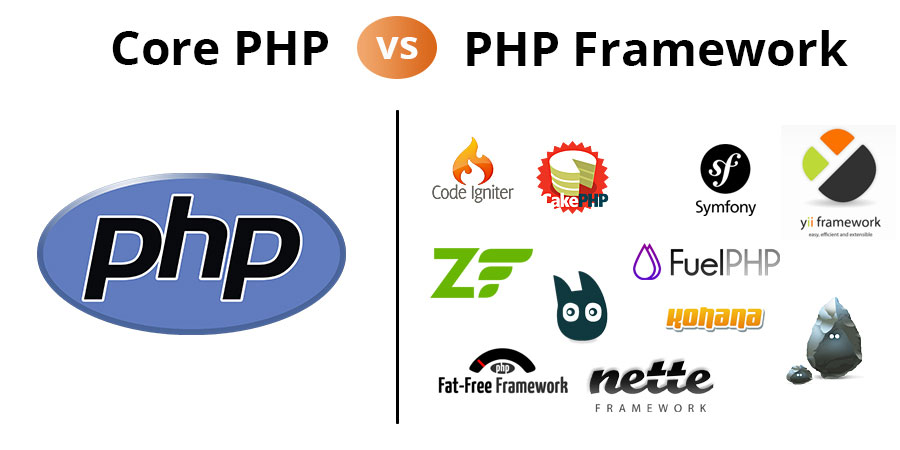
Php web development framework

Title: Navigating the Web with PHP: A Comprehensive Guide to PHP Web Development

  1. Introduction:
  2. In the ever-evolving realm of web development, staying abreast of the latest technologies is imperative. One such powerhouse that has garnered widespread acclaim is PHP, a server-side scripting language. This blog post unravels the intricacies of PHP web development, shedding light on its core components and how they seamlessly collaborate to empower developers in crafting dynamic and robust web applications.

  3. PHP: The Server-Side Scripting Language
  4. At the core of PHP web development lies PHP itself, a versatile server-side scripting language. PHP is renowned for its ease of integration with HTML, making it a preferred choice for building dynamic and interactive web pages. With a vast array of built-in functions, PHP facilitates seamless server-side scripting and empowers developers to create feature-rich applications.

  5. MySQL: The Relational Database Management System
  6. Collaborating with PHP, MySQL serves as the go-to relational database management system. Its ability to efficiently handle structured data makes it an ideal companion for PHP web applications. Developers can leverage MySQL to store and retrieve data, ensuring the scalability and performance of their web projects.

  7. Frameworks: Laravel, Symfony, and more
  8. PHP web development is further streamlined with the use of frameworks such as Laravel and Symfony. These frameworks provide a structured and organized approach to development, offering features like routing, templating, and ORM (Object-Relational Mapping). Laravel, in particular, has gained popularity for its elegant syntax and developer-friendly features, making complex tasks more straightforward.

  9. Front-End Integration with PHP
  10. PHP seamlessly integrates with front-end technologies, allowing developers to create dynamic and interactive user interfaces. By combining PHP with HTML, CSS, and JavaScript, developers can build modern and responsive web applications that cater to the evolving expectations of users.

  11. Benefits of PHP Web Development:
  12. a. **Versatility:** PHP supports a wide range of databases and can be deployed on various web servers, providing developers with flexibility. b. **Cost-Effective:** As an open-source language, PHP eliminates licensing costs, making it a cost-effective choice for web development projects. c. **Community Support:** PHP boasts a vast and active community, ensuring a wealth of resources, tutorials, and support for developers.

  13. Real-World Applications:
  14. a. **Content Management Systems (CMS):** PHP is the backbone of popular CMS platforms like WordPress, Drupal, and Joomla. b. **E-commerce Platforms:** PHP powers leading e-commerce solutions such as Magento and WooCommerce, enabling the creation of secure and scalable online stores. c. **Custom Web Applications:** From social networking sites to project management tools, PHP is the engine driving a myriad of custom web applications.

  15. Conclusion:
  16. PHP web development stands as a robust and versatile choice for developers seeking to create dynamic and interactive web applications. With PHP's server-side prowess, seamless database integration, and support from powerful frameworks, it continues to be a driving force in the world of web development. As technology advances, PHP remains a reliable tool for developers, empowering them to navigate the complexities of the digital landscape and deliver cutting-edge web solutions.

Coures →
Search
Blog Post Image

Java web development

  1. Introduction:
  2. In the ever-evolving realm of web development, keeping pace with the latest technologies is paramount. A robust and widely embraced stack in recent times for building dynamic web applications is the Java backend web development. In this blog post, we'll unravel the layers of this comprehensive technology stack, exploring how Java on the backend empowers developers to create scalable and efficient web solutions.

  3. Java: The Backend Powerhouse
  4. At the core of Java backend web development lies the versatile Java programming language. Known for its platform independence, robustness, and extensive libraries, Java is a go-to choice for building scalable and enterprise-level backend applications. Its object-oriented nature and strong community support make it an ideal candidate for handling complex backend logic.

  5. Spring Framework: The Backbone of Java Backend
  6. Spring, a comprehensive framework for Java, plays a pivotal role in backend development. It simplifies the creation of complex, scalable, and maintainable applications by providing features like dependency injection, aspect-oriented programming, and robust security mechanisms. The Spring ecosystem, including Spring Boot, accelerates development by offering convention over configuration and ready-to-use templates.

  7. Servlets and JSP: Handling Web Requests and Views
  8. Java Servlets and JavaServer Pages (JSP) are essential components in Java backend development. Servlets handle HTTP requests, managing the flow of data between the client and the server. JSP, on the other hand, facilitates the creation of dynamic and interactive web pages, seamlessly integrating Java code into HTML. Together, they form the foundation for building dynamic web applications.

  9. Hibernate: Simplifying Database Interaction
  10. Database interaction is a critical aspect of backend development, and Hibernate simplifies this process in Java applications. As an Object-Relational Mapping (ORM) framework, Hibernate allows developers to interact with databases using Java objects, eliminating the need for complex SQL queries. This abstraction enhances code readability, maintainability, and flexibility when dealing with databases.

  11. Benefits of Java Backend Web Development:
  12. a. **Portability:** Java's "write once, run anywhere" philosophy ensures that applications can run on any device with a Java Virtual Machine (JVM). b. **Scalability:** Java's multi-threading capabilities and scalable frameworks like Spring enable the development of high-performance and scalable backend systems. c. **Security:** Java's robust security features, coupled with Spring's security modules, make it a secure choice for handling sensitive data and transactions.

  13. Real-World Applications:
  14. a. **Enterprise Applications:** Java is widely used for building enterprise-level applications, handling complex business processes and transactions. b. **Financial Systems:** The reliability and security features of Java make it a preferred choice for developing financial applications that demand precision and accuracy. c. **E-commerce Platforms:** Java backend development is well-suited for building the backend of feature-rich and scalable e-commerce platforms.

  15. Conclusion:
  16. Java backend web development stands as a robust and versatile approach for creating powerful and scalable web applications. With its mature ecosystem, extensive libraries, and strong community support, Java continues to be a top choice for developers seeking to build reliable and high-performance backend solutions. As technology advances, the Java backend remains a cornerstone in the ever-growing landscape of web development.

Course →
Blog Post Image

Python django web development

  1. Introduction:
  2. In the realm of web development, Python's Django framework has emerged as a powerhouse, revolutionizing the way developers create robust and scalable web applications. In this blog post, we'll embark on a journey into the world of Python Django web development, exploring its key components and how they seamlessly integrate to provide a powerful development environment.

  3. Django: The High-Level Web Framework
  4. At the core of Python Django web development is the Django framework, a high-level web framework that follows the "Don't Repeat Yourself" (DRY) and "Convention Over Configuration" (CoC) principles. Django simplifies the development process by providing a clean and pragmatic design, allowing developers to focus on building features rather than dealing with repetitive tasks.

  5. ORM (Object-Relational Mapping):
  6. Django comes equipped with a powerful Object-Relational Mapping system that enables developers to interact with databases using Python code instead of SQL queries. This abstraction simplifies database operations and promotes code readability, making it easier to manage and maintain data-driven applications.

  7. Templates and Views:
  8. Django's templating engine and views system allow for the creation of dynamic and interactive user interfaces. Templates provide a convenient way to structure HTML pages, while views handle the logic behind rendering these templates. This separation of concerns enhances code organization and maintainability.

  9. Middleware and URL Routing:
  10. Django's middleware components handle various aspects of request processing, such as authentication and security. Additionally, the URL routing system allows developers to define clean and human-readable URLs for different views, enhancing the overall user experience and search engine optimization.

  11. Benefits of Python Django Web Development:
  12. a. Rapid Development: Django's built-in features and conventions accelerate development, allowing for the quick creation of feature-rich applications. b. Scalability: Django's modular structure and scalability features make it suitable for projects of varying sizes, from small applications to large-scale platforms. c. Security: Django comes with built-in security features, protecting applications against common vulnerabilities and ensuring a secure development environment.

  13. Real-World Applications:
  14. a. Content Management Systems (CMS): Django's flexibility makes it an excellent choice for building custom CMS solutions that cater to specific content management needs. b. E-commerce Platforms: Django's scalability and robustness make it suitable for developing feature-rich e-commerce websites with complex functionalities. c. Data Analytics Dashboards: Django can be used to create data-driven dashboards, leveraging its ORM system to handle and visualize large datasets effectively.

  15. Conclusion:
  16. Python Django web development has established itself as a game-changer in the world of web applications. With its clean design, powerful features, and emphasis on developer productivity, Django continues to be a preferred choice for building modern and scalable web solutions. As technology evolves, Python Django remains at the forefront, empowering developers to craft innovative applications that meet the demands of today's digital landscape.

Course →
Blog Post Image

Artificial Intelligence

  1. Introduction:
  2. Embarking on the journey of technological advancements, the realm of AI has emerged as a game-changer in recent years. In this blog post, we'll explore the capabilities of AI assistants, with a focus on how they are transforming various aspects of our digital landscape.

  3. Natural Language Processing (NLP):
  4. At the core of AI assistants lies Natural Language Processing (NLP), a field that enables machines to understand, interpret, and generate human-like language. This technology forms the basis of effective communication between users and AI assistants, allowing for seamless interaction and comprehension.

  5. Machine Learning Algorithms:
  6. AI assistants leverage machine learning algorithms to continuously improve and adapt to user needs. These algorithms enable assistants to learn from user interactions, providing personalized and context-aware responses. The more users engage, the smarter and more efficient the AI assistant becomes.

  7. Speech Recognition:
  8. Many AI assistants incorporate advanced speech recognition technology, allowing users to interact through voice commands. This feature enhances user experience by providing a hands-free and intuitive way to communicate with the assistant. It opens up possibilities for a range of applications, from virtual assistants on smartphones to voice-activated smart home devices.

  9. Task Automation:
  10. One of the significant advantages of AI assistants is their ability to automate repetitive tasks. From setting reminders and sending emails to managing calendars, these assistants streamline daily activities, freeing up valuable time for users to focus on more complex and strategic tasks.

  11. Benefits of AI Assistants:
  12. a. Efficiency: AI assistants enhance efficiency by automating routine tasks, allowing users to be more productive. b. Personalization: Through machine learning, AI assistants tailor responses and recommendations based on individual user preferences. c. 24/7 Availability: AI assistants are available round-the-clock, providing instant support and information whenever users need it.

  13. Real-World Applications:
  14. a. Customer Support: AI assistants are deployed in customer support to provide instant responses, troubleshoot issues, and offer solutions. b. Virtual Personal Assistants: From Siri to Google Assistant, virtual personal assistants help users manage tasks, access information, and interact with devices using natural language. c. Business Intelligence: AI assistants analyze vast datasets to provide insights, helping businesses make data-driven decisions.

  15. Conclusion:
  16. As AI technology continues to evolve, AI assistants stand at the forefront of innovation, revolutionizing the way we interact with technology. Their integration into various aspects of our daily lives marks a significant step forward, promising a future where human-machine collaboration reaches new heights.

Coures →
Blog Post Image

CEH Certification

  1. Introduction:
  2. Embarking on the journey of ethical hacking (CEH) learning opens the doors to a world where cybersecurity professionals play a crucial role in safeguarding digital landscapes. In this blog post, we'll explore the realm of CEH learning, uncovering the essential components and skills that empower individuals to navigate the complex and ever-evolving field of ethical hacking.

  3. Understanding Ethical Hacking:
  4. Ethical hacking involves the authorized and legal practice of probing systems, networks, and applications for security vulnerabilities. Unlike malicious hackers, ethical hackers utilize their skills to identify and fix vulnerabilities, fortifying the digital infrastructure against potential cyber threats.

  5. Key Components of CEH Learning:
  6. a. **Networking Fundamentals:** A strong understanding of networking protocols and architectures lays the foundation for ethical hacking. CEH learners delve into the intricacies of how data traverses networks and how vulnerabilities can be exploited.

    b. **Operating Systems:** Proficiency in various operating systems, including Windows, Linux, and macOS, is essential. CEH students learn to identify and exploit vulnerabilities specific to each operating system.

    c. **Cybersecurity Tools:** Familiarity with a plethora of cybersecurity tools is crucial. From network scanners to penetration testing frameworks, CEH learners gain hands-on experience with tools that simulate real-world cyber threats.

  7. Hands-On Labs and Simulation:
  8. CEH learning is not theoretical; it's a hands-on experience. Students engage in simulated environments, mimicking real-world scenarios to hone their skills in identifying, exploiting, and securing vulnerabilities. Practical experience is the cornerstone of effective ethical hacking education.

  9. Certifications in Ethical Hacking:
  10. CEH learners often pursue certifications to validate their skills and knowledge. The Certified Ethical Hacker (CEH) certification is widely recognized in the industry and demonstrates proficiency in ethical hacking techniques. Other certifications, such as Offensive Security Certified Professional (OSCP), further enhance one's credibility in the field.

  11. Role of CEH Professionals:
  12. CEH professionals play a pivotal role in organizations by proactively identifying and mitigating security risks. Their expertise is instrumental in securing sensitive data, protecting against cyber threats, and ensuring the integrity of digital assets.

  13. Real-World Applications:
  14. a. **Penetration Testing:** CEH professionals often engage in penetration testing to identify vulnerabilities in a system or network before malicious actors can exploit them.

    b. **Security Consulting:** Ethical hackers may work as security consultants, providing insights and recommendations to organizations on enhancing their cybersecurity posture.

    c. **Incident Response:** In the event of a security incident, CEH professionals contribute to incident response efforts, investigating and mitigating the impact of a breach.

  15. Conclusion:
  16. As the digital landscape continues to evolve, the importance of ethical hacking in fortifying cyber defenses cannot be overstated. CEH learning equips individuals with the skills and knowledge to navigate the complex world of cybersecurity responsibly. With hands-on experience, certifications, and a commitment to ethical practices, ethical hackers play a vital role in securing the digital future.

Offical website →
...
Chat GPT

ChatGPT (Chat Generative Pre-trained Transformer) is a chatbot developed by OpenAI and launched on November 30, 2022. Based on a large language model, it enables users to refine and steer a conversation towards a desired length, format, style, level of detail, and language. Successive prompts and replies, known as prompt engineering, are considered at each conversation stage as a context.

OPEN

Roadmap for Offensive Hacker

Certification

Image 1
Image 2
Image 3

OSCP Learning Roadmap

  1. Introduction to OSCP

    Understand the basics of OSCP, its importance, and the skills it aims to develop.

  2. Networking Fundamentals

    Master the essentials of networking, including protocols, TCP/IP, and subnetting.

  3. Linux and Windows Basics

    Build a strong foundation in Linux and Windows operating systems.

  4. Programming and Scripting

    Learn scripting languages like Python and Bash to automate tasks and understand exploit code.

  5. Web Application Security

    Explore common web vulnerabilities and understand how to secure web applications.

  6. Penetration Testing Tools

    Familiarize yourself with tools such as Nmap, Wireshark, Metasploit, and Burp Suite.

  7. Exploitation Techniques

    Deep dive into various exploitation techniques, focusing on both Linux and Windows systems.

  8. Post-Exploitation

    Understand post-exploitation techniques, privilege escalation, and maintaining access.

  9. Buffer Overflows

    Master the art of buffer overflows, a crucial skill for OSCP certification.

  10. Practice, Practice, Practice

    Engage in labs, capture the flag (CTF) challenges, and simulated environments to hone your skills.

  11. Exam Preparation

    Develop a strategy for the OSCP exam, including time management and documentation.

  12. OSCP Exam

    Sit for the OSCP exam, applying your skills to successfully complete the challenges and achieve certification.

Offical Website →
Brand 1
Brand 2
Brand 3
Brand 3
Brand 3
Brand 3
Brand 3
Brand 3